Scoliosis Affects the Entire Body
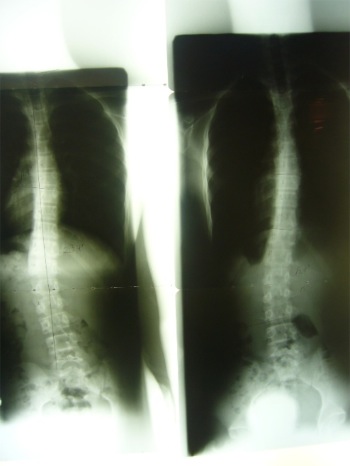
Scoliosis is generally viewed as a lateral curvature of the spine with an axial twist that causes a distortion of the ribs. Current research shows it to be a multifaceted disease that compromises five of the body’s systems: digestive, hormonal, muscular, osseous (bones), and neurological.
Scoliosis affects the entire skeletal system including the spine, ribs, and pelvis. It impacts upon the brain and central nervous system and affects the body’s hormonal and digestive systems. It can deplete the body’s nutritional resources and damage its major organs including the heart and lungs.
Some factors that can cause scoliosis include: cerebral palsy, birth defects, muscular dystrophy and Marfan syndrome. However, 80% of scoliosis is idiopathic (unknown in origin).
According to the Scoliosis Care Foundation, one in nine females and a smaller percentage of males have some sign of scoliosis. Approximately 4% of the general population is affected. While the average patient is between 10-15 years of age, many adults suffer from this disease as well.
Conditions arising as a result of scoliosis include rib deformity, shortness of breath, digestive problems, chronic fatigue, acute or dull back pain, leg, hip, and knee pain, acute headaches, mood swings, and menstrual disturbances.
Scoliosis is a progressive condition that can continue to progress even after skeletal maturity. Millions of scoliosis sufferers are routinely misinformed about the accelerating nature of their spinal curvature progression.
Oct. 05, 2020
Adult Scoliosis is a Problem – Three Reasons Why
Mar. 25, 2020
A Quick Guide to Scoliosis and How to Deal With It
Mar. 19, 2020
Virtual Scoliosis Exercise and Nutritional Consultation Now Available Online
Mar. 17, 2020
Why Physiotherapy Is Beneficial for Scoliosis Patients – What to Know
Mar. 11, 2020
3 Common Types of Alternative Scoliosis Treatment Methods – What to Know
Let's Help You!
Scoli-Fit
NYC 160 Broadway 16th Floor New York NY 10038
inquiry@tristanp3.sg-host.com